A well-designed beard can visually strengthen the jawline, balance facial proportions, and create a more polished appearance. Effective beard shaping is not simply about trimming the hair into a fashionable outline. It requires attention to facial structure, beard density, growth direction, skin condition, and the amount of maintenance a person can manage.
Men with patchy growth, an uneven neckline, recurring ingrown hairs, or uncertainty about the right shape often benefit from a personalised approach. The best result usually looks intentional without appearing artificially drawn.
Start With Facial Proportions
The same beard shape does not suit every face. A practitioner or grooming professional should first assess the width of the forehead, cheekbones, jaw, and chin.
General design principles include:
- A round face may appear more defined with controlled volume at the sides and slightly more length at the chin.
- A long face may suit greater fullness along the cheeks with less length below the chin.
- A square face can be complemented by a clean neckline and softer transitions near the jaw corners.
- An oval face usually supports several styles, although natural density still determines what is practical.
- A weaker-looking chin may benefit from carefully planned length rather than an excessively sharp outline.
These are visual guidelines rather than strict rules. Hair texture, profession, personal style, and grooming preferences should also influence the final design.
Why the Neckline Makes a Difference
An incorrectly placed neckline can make even a dense beard look untidy. A line positioned too high may reduce the appearance of jaw width, while one placed too low can make the neck look heavy.
A natural neckline generally follows the area where the underside of the jaw meets the neck. The transition should appear clean but not harsh. For men prone to razor bumps, extremely close shaving may aggravate inflammation, particularly when hair is coarse or curly.
Using a guarded trimmer, shaving in the direction of growth, and avoiding repeated passes can help reduce irritation.
Managing Patchy or Uneven Growth
Beard density is largely influenced by genetics, age, hormones, and hair-growth patterns. Shaping can improve the presentation of patchiness, but it cannot create follicles where they do not exist.
Useful strategies include:
- Selecting a shorter style that reduces contrast
- Allowing additional length in stronger growth areas
- Avoiding outlines that expose sparse sections
- Treating dandruff, folliculitis, or ingrown hairs
- Reviewing sudden or unusual hair loss medically
Alopecia areata, fungal infection, scarring, or hormonal concerns may sometimes cause beard gaps. New, sharply defined, itchy, or inflamed patches should be assessed before cosmetic work.
Skin Preparation Supports a Cleaner Result
Healthy skin makes beard maintenance easier. A gentle cleanser can remove sweat and product build-up, while a non-comedogenic moisturiser supports the skin barrier. Mild exfoliation may help some people with ingrown hairs, but aggressive scrubbing can worsen redness.
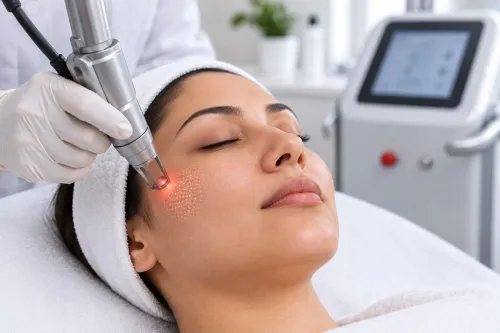
Tools should be clean, blades should not be shared, and active acne or infection should not be repeatedly shaved over. If a clinic-based treatment is being considered for pigmentation, scars, or hair reduction around the beard line, the practitioner should preserve the intended beard design.
Beard Shaping in Andheri
Working professionals, actors, creators, and event-focused clients in Andheri, Mumbai, Maharashtra, often need a beard style that remains presentable under office lighting, cameras, and close-up photography. The design should therefore work in everyday conditions, not only immediately after grooming.
Inshine Aesthetics approaches beard shaping by considering both facial definition and underlying skin health. Where concerns such as recurrent folliculitis, post-shaving pigmentation, or ingrown hairs are present, these should be addressed as part of the plan.
Before choosing a beard outline, consider how frequently it will need trimming, whether the style suits natural growth, and how it will look after several days. A practical design is one that improves facial balance while remaining easy to maintain between appointments.
Keywords