Anti-aging IV drips are promoted as a way to deliver fluids and selected nutrients directly into the bloodstream. They may appeal to people whose skin appears dull after travel, inadequate sleep, demanding work, dehydration, or an event-heavy schedule. However, an infusion cannot erase wrinkles, permanently stop skin ageing, or compensate for untreated medical problems.
Skin appearance is influenced by genetics, sun exposure, smoking, nutrition, hormones, sleep, stress, skincare habits, and natural changes in collagen. Understanding these factors is important before deciding whether an IV drip has any appropriate role in a skin rejuvenation plan.
What an Anti-Aging IV Drip May Contain
There is no single standard formula. Depending on the clinical assessment, an IV formulation may contain fluids, vitamins, minerals, or antioxidants. The exact ingredients and doses matter because more is not necessarily better.
A medically responsible provider should explain:
- Every ingredient included in the drip
- Why each component is being considered
- Potential benefits and limitations
- Possible interactions with medicines
- Risks associated with excessive doses
- Whether tests are needed before treatment
Patients should avoid choosing a drip merely because it has an attractive name. A formula should be based on medical suitability, not a social-media trend or a generic “glow” package.
Hydration Is Only One Part of Skin Health
Dehydration can temporarily make skin look tired, particularly after illness, heat exposure, alcohol consumption, or inadequate fluid intake. Correcting dehydration may improve general well-being, but most healthy people can maintain hydration through regular oral fluids.
Persistent dryness or dullness may have other causes, including an impaired skin barrier, excessive exfoliation, dermatitis, nutritional deficiency, thyroid dysfunction, or unsuitable cosmetic products. These concerns require appropriate evaluation.
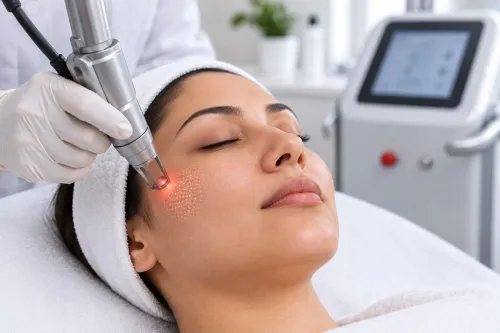
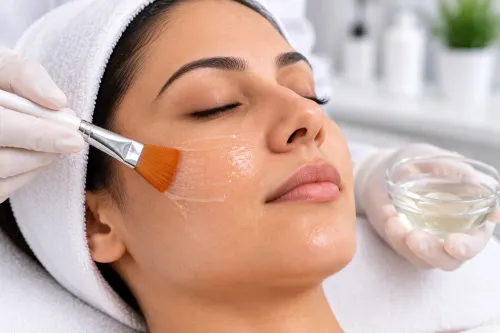
An IV drip is also unlikely to address structural signs of ageing such as volume loss, skin laxity, deep expression lines, or pigmentation. These may require skincare, sun protection, energy-based procedures, injectables, chemical peels, or other carefully selected treatments.
Who Needs Additional Caution
IV wellness treatments may not be suitable for everyone. Additional medical review is important for people with:
- Kidney or heart disease
- Liver dysfunction
- Fluid restrictions
- Pregnancy or breastfeeding
- Known allergies
- Ongoing cancer treatment
- Regular prescription medication
- Previous infusion reactions
Possible problems include bruising, infection, vein irritation, fluid imbalance, allergic reactions, and adverse effects from inappropriate ingredient doses. Proper sterile technique and observation are therefore essential.
A More Complete Skin Rejuvenation Strategy
People seeking healthier-looking skin usually benefit from a layered plan. This may include:
- Daily broad-spectrum sunscreen
- Gentle cleansing and adequate moisturising
- Evidence-based active skincare
- Sufficient sleep and balanced nutrition
- Treatment of acne, pigmentation, or dermatitis
- Procedures selected for the actual skin concern
Photographs taken in consistent lighting can help assess change more objectively. Decisions should be based on the skin’s condition and the person’s goals rather than pressure to complete multiple treatments before an event.
Guidance for Clients in JVPD
Residents and professionals in JVPD, Mumbai, Maharashtra, may look for quick skin-refreshing options before weddings, shoots, celebrations, or business events. Planning early provides time for assessment and reduces the temptation to combine several unfamiliar procedures at once.
At Inshine Aesthetics, anti-aging IV drips can be discussed within a broader medical consultation. The clinician should determine whether the concern is primarily dehydration, pigmentation, texture, laxity, volume loss, or an underlying health issue.
The most useful question is not whether an IV drip is fashionable, but whether its ingredients are necessary, safe, and likely to address the specific concern. When treatment is appropriate, informed consent, sterile administration, and realistic expectations should guide every session.
Keywords