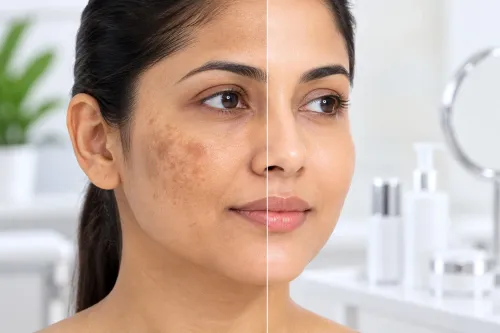
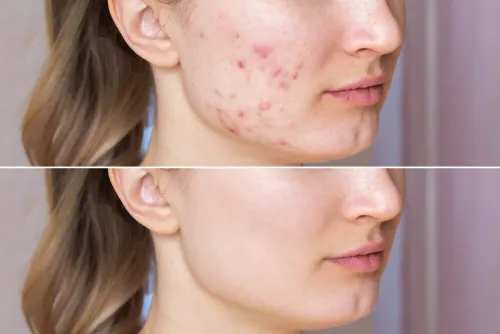
Uneven skin tone, acne marks, sun damage, and dullness are among the most common reasons people seek professional skincare treatments. While countless products promise brighter skin, they often deliver limited results when pigmentation develops in the deeper layers of the skin.
Chemical peels have remained one of the most trusted dermatological treatments because they encourage controlled skin renewal, helping reveal fresher and healthier-looking skin over time. Understanding how they work and what to expect can help you decide whether this treatment aligns with your skincare goals.
What Is a Chemical Peel?
A chemical peel is a professional skin treatment that uses carefully selected exfoliating solutions to remove damaged outer skin cells. As the skin heals, new cells replace older ones, resulting in a smoother and more even complexion.
Different types of peels are available depending on individual concerns, skin sensitivity, and treatment goals.
Common concerns addressed include:
- Pigmentation
- Acne marks
- Sun damage
- Uneven skin tone
- Fine lines
- Rough skin texture
- Enlarged pores
A consultation helps determine which peel is most appropriate for each person.
How Do Chemical Peels Improve the Skin?
Healthy skin naturally renews itself, but ageing, pollution, and sun exposure can slow this process.
Chemical peels support skin renewal by:
- Removing damaged surface cells
- Stimulating healthy cell turnover
- Improving skin texture
- Brightening dull complexions
- Reducing the appearance of pigmentation
- Helping skincare products absorb more effectively
The improvement is usually gradual, making the skin appear naturally refreshed rather than dramatically altered overnight.
Are All Chemical Peels the Same?
No.
Chemical peels vary in strength and formulation.
Some are designed for mild skin brightening, while others target deeper pigmentation or acne scars. Factors influencing treatment selection include:
- Skin type
- Skin sensitivity
- Existing pigmentation
- Acne activity
- Previous treatments
- Lifestyle and sun exposure
Professional assessment helps reduce the risk of selecting an unsuitable peel.
What Happens During the Procedure?
The treatment itself is usually straightforward.
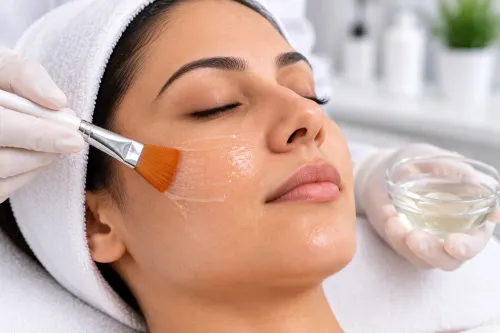
The skin is first cleansed thoroughly before the selected peeling solution is applied for a carefully controlled duration. After the solution is neutralised or removed, soothing skincare products and sun protection are applied.
Depending on the peel used, patients may experience:
- Mild tingling
- Warmth
- Temporary redness
- Light peeling over the following days
These responses are generally expected parts of the skin renewal process.
How Should You Care for Your Skin Afterwards?
Post-treatment care plays a significant role in achieving good results.
Most specialists recommend:
- Applying sunscreen daily
- Avoiding direct sun exposure
- Keeping the skin moisturised
- Avoiding harsh scrubs
- Not picking peeling skin
- Following the prescribed skincare routine
Protecting newly renewed skin from ultraviolet exposure helps maintain the benefits of treatment.
Common Misconceptions About Chemical Peels
Chemical peels make the skin dangerously thin.
Professional peels remove damaged surface cells without permanently thinning healthy skin.
Only people with severe pigmentation need chemical peels.
Many people choose lighter peels simply to improve skin texture and maintain healthy-looking skin.
One treatment solves every skin concern.
Most pigmentation concerns improve gradually through a series of treatments combined with an appropriate skincare routine.
People with Indian skin cannot undergo chemical peels.
Modern peel formulations can be customised for different skin tones when selected by experienced professionals.
When Should You Consider Professional Treatment?
If pigmentation, acne marks, or uneven skin tone continue despite using skincare products consistently, professional evaluation may be worthwhile.
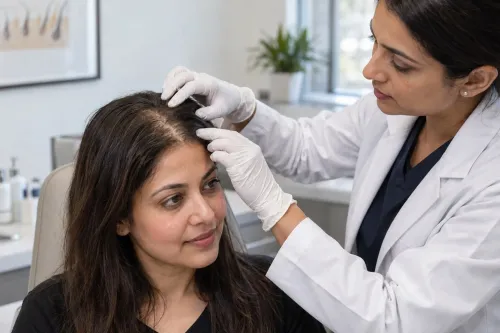
An experienced practitioner can identify whether pigmentation is caused by sun damage, hormonal factors, post-acne marks, or other skin conditions before recommending treatment.
For people living in Juhu, Bandra, Andheri, Santacruz, Vile Parle, and surrounding areas of Mumbai, personalised treatment planning is particularly important because frequent sun exposure and humid weather can influence both pigmentation and recovery. Inshine Aesthetics assesses individual skin concerns before recommending suitable chemical peel protocols, ensuring treatments are matched to each patient's skin type and goals.
Chemical peels remain one of the most versatile options for improving skin clarity and texture. When performed by qualified professionals and supported with proper aftercare, they can become an effective part of a long-term skin health and pigmentation management plan.
Keywords