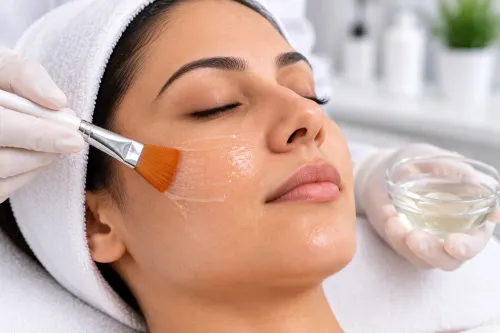
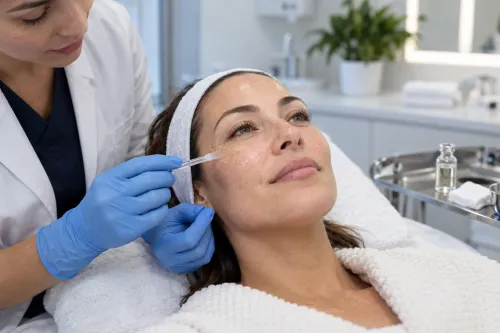
The term “international peel” is commonly used for professional chemical peel systems or protocols associated with globally recognised skincare laboratories. The label alone does not indicate that a peel is stronger, safer, or more suitable than another option. What matters is the formulation, concentration, depth, application technique, and compatibility with the patient’s skin.
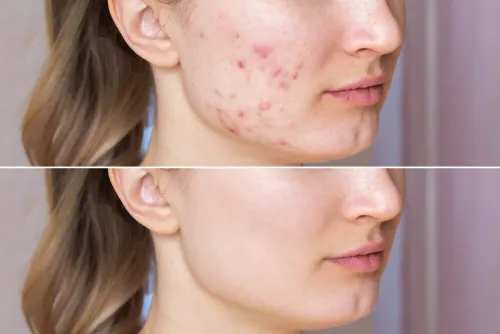
Chemical peels use controlled exfoliating agents to improve selected concerns such as uneven tone, superficial pigmentation, acne, rough texture, and early signs of photoageing. Choosing the wrong peel or using it at the wrong strength can lead to irritation, prolonged redness, burns, or post-inflammatory hyperpigmentation.
Peel Strength Is Not the Main Selection Criterion
Clients sometimes assume that a stronger peel will produce a faster result. In reality, treatment depth should match the condition being addressed and the skin’s ability to recover.
A superficial peel may be selected for mild congestion, dullness, or gradual tone correction. Medium-depth procedures require more recovery and greater medical oversight. Deep peels are not routine facial treatments and involve substantially different risks and aftercare.
Selection may depend on:
- Skin type and sensitivity
- Current pigmentation
- Acne activity
- History of scarring
- Previous peel experience
- Existing skincare products
- Recent sun exposure
- Available recovery time
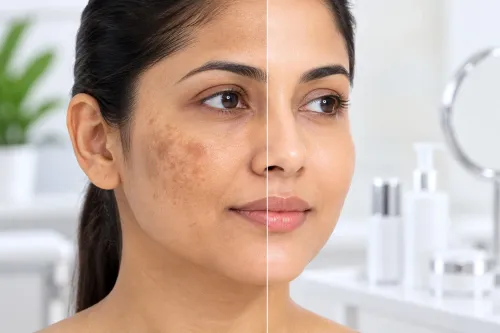
Skin rich in melanin can respond well to appropriately selected peels, but it may also be vulnerable to pigmentation after inflammation. Conservative preparation and strict sun protection are especially important.
Common Peel Categories
Different acids work in different ways. Glycolic acid is often used for texture and superficial pigmentation. Salicylic acid is oil-soluble and may be considered for acne-prone or congested skin. Lactic acid can provide gentler exfoliation in selected cases. Mandelic acid is frequently chosen when a slower-penetrating option is preferred.
Combination peels may address more than one concern, but they also require a clear understanding of concentration, pH, contact time, and the products used before and after treatment.
“International” should never be treated as a substitute for these clinical details.
Preparing the Skin
A consultation should identify active infection, dermatitis, recent waxing, open wounds, cold sores, pregnancy, prescription medicines, and previous adverse reactions. The practitioner may advise stopping selected retinoids, exfoliating acids, scrubs, or hair-removal practices before the appointment.
Preparation may also include a suitable cleanser, moisturiser, pigment-regulating product, and daily sunscreen. Patients should follow only the regimen recommended for their skin rather than copying an online peel routine.
What Recovery Can Look Like
The amount of peeling varies. Some superficial treatments cause minimal visible flaking, while others may produce dryness, tightness, or several days of shedding. Lack of dramatic peeling does not necessarily mean that a procedure has failed.
Aftercare generally includes:
- Gentle cleansing
- Regular moisturising
- Broad-spectrum sun protection
- Avoiding picking or peeling loose skin
- Pausing irritating active ingredients
- Limiting excessive heat and strenuous exercise as advised
Increasing redness, blisters, marked swelling, pus, severe pain, or darkening should be reported promptly.
Evaluating Peel Services in Vile Parle
People seeking international peels in Vile Parle, Mumbai, Maharashtra, should look beyond brand names and imported-product claims. A provider should be able to explain why a particular peel suits the diagnosis, how the skin will be prepared, and what recovery is expected.
Inshine Aesthetics evaluates peel suitability according to skin type, concern, treatment history, and lifestyle. This is particularly relevant for clients managing Mumbai’s strong sun, humidity, pollution exposure, and frequent outdoor travel.
A well-chosen chemical peel is a controlled medical-aesthetic procedure, not an aggressive shortcut to lighter or flawless skin. Consistent sun protection, a suitable home routine, and appropriately spaced sessions usually matter more than selecting the most heavily marketed formula.
Keywords