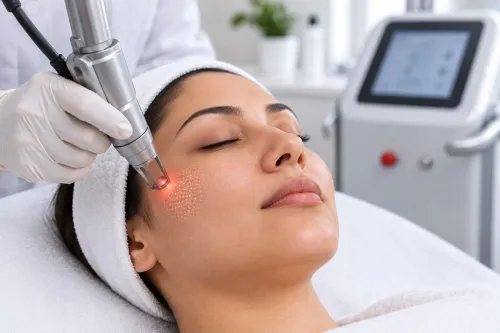
LED light therapy uses selected wavelengths of visible or near-infrared light to influence biological processes in the skin. It is non-invasive and does not use ultraviolet tanning light. Depending on the device and treatment goal, it may be considered as supportive care for acne, inflammation, post-procedure recovery, or general skin rejuvenation.
The phrase “LED facial” covers a wide range of equipment. A clinic-grade system with defined wavelengths and controlled treatment parameters is different from a decorative light mask or an unverified home device.
How Different Wavelengths Are Used
Blue light is commonly associated with acne-focused protocols because it can affect acne-related bacteria near the skin’s surface. Red light is often used in programmes aimed at reducing inflammation and supporting skin-repair processes. Near-infrared wavelengths penetrate differently and may be incorporated into selected recovery protocols.
More colours do not automatically mean better treatment. The wavelength, energy delivered, session duration, distance from the skin, and consistency of use influence the response.
Where LED Therapy May Fit
LED treatment may be used on its own for a mild concern or combined with a broader plan. Potential applications include:
- Supporting acne management
- Calming temporary redness
- Complementing selected post-procedure care
- Supporting gradual improvement in skin appearance
- Providing a non-invasive option for people avoiding downtime
It should not be presented as a cure for severe acne, deep scars, significant pigmentation, infection, or advanced skin laxity. These concerns may require medical treatment or procedures that act at different tissue levels.
LED Compared With Lasers
LED devices deliver non-ablative, lower-intensity light and usually involve little or no downtime. Lasers use concentrated energy with specific tissue targets and can produce more significant changes, depending on the technology.
The two are not interchangeable. LED may suit someone seeking a gentle supportive treatment, while a laser may be considered for a concern requiring controlled resurfacing, pigment targeting, vascular treatment, or hair reduction.
People sometimes choose LED because they assume that every light-based procedure is suitable for sensitive skin. Although many patients tolerate it well, photosensitivity, eye conditions, medicines, and active skin problems still need to be reviewed.
What to Check Before Treatment
A useful consultation should cover:
- The skin condition being treated
- The wavelength and device used
- Expected number of sessions
- Eye-protection requirements
- Current medicines and skincare
- History of light-triggered reactions
- How progress will be assessed
Patients taking photosensitising medicines or living with light-sensitive medical conditions may require additional advice. The eyes should be protected according to the device and treatment protocol.
Building Realistic Expectations
LED therapy generally works gradually and may require repeated sessions. Results vary according to the concern, device, treatment consistency, and accompanying skincare.
For acne, it may be one part of a plan that includes gentle cleansing, non-comedogenic moisturiser, sunscreen, and prescribed treatment. For post-procedure recovery, the timing should be decided by the clinician who performed or supervises the primary treatment.
Finding LED Light Therapy in Oshiwara
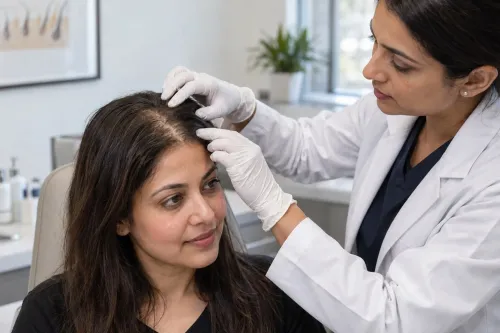
Mumbai’s humidity, heat, pollution, and frequent sun exposure can influence acne, irritation, and skin recovery. People considering LED light therapy in Oshiwara, Mumbai, Maharashtra, should receive an assessment rather than selecting a light colour from a menu.
Inshine Aesthetics can evaluate whether LED therapy suits the person’s skin concern and whether it should be used alone or alongside another treatment. Progress should be reviewed through symptoms and consistent photographs rather than claims of an instant transformation.
LED therapy is most useful when its purpose is specific. Knowing the device, treatment parameters, limitations, and supporting skincare plan helps clients make a more informed decision.
Keywords