Ozone therapy is sometimes marketed for skin revitalization, wellness, wound support, or improved oxygen-related functions. These descriptions can sound persuasive, but they should be approached cautiously. Ozone is a reactive gas, and the evidence supporting many cosmetic or systemic ozone claims remains limited or condition-specific.
It should not be inhaled because it can irritate and damage the respiratory system. Procedures involving blood, injections, or gas exposure carry additional risks and should never be treated as ordinary beauty services.
Ask Exactly What “Ozone Therapy” Means
The term may refer to very different techniques. Some services use topical ozonated preparations, while others advertise enclosed exposure, injections, or blood-based procedures. Their risk profiles are not the same.
Before considering any option, ask the provider to identify:
- The exact procedure being proposed
- The route of administration
- The device and materials used
- The evidence for the stated indication
- Possible adverse effects
- Available alternatives
- The clinician responsible for treatment
- Infection-control and emergency measures
Vague descriptions such as “detoxification,” “oxygen activation,” or “complete cell renewal” are not sufficient medical explanations.
Evidence and Expectations
Aesthetic patients may be interested in ozone therapy for dullness, inflammation, acne, or general revitalization. However, these concerns have many potential causes and often have better-established assessment and treatment pathways.
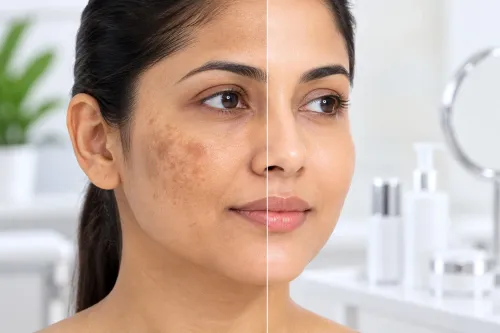
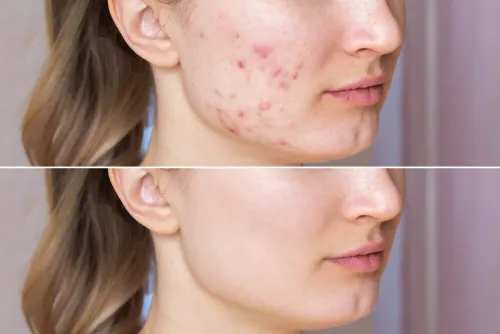
Dull skin may relate to sun damage, dryness, sleep disruption, unsuitable skincare, or pigmentation. Acne can involve clogged pores, inflammation, hormonal factors, and scarring. Redness may result from sensitivity, dermatitis, rosacea, infection, or over-exfoliation.
Using ozone without identifying the concern may delay appropriate care. It should not replace prescribed dermatological treatment, wound care, antibiotics when indicated, cancer care, or management of a systemic condition.
Potential Risks
Risk depends on how ozone is generated and administered. Possible concerns include respiratory irritation from accidental inhalation, oxidative tissue injury, pain, infection, inflammation, air or gas embolism with unsafe administration, and complications related to blood handling.
Any procedure involving blood must use rigorous sterile technique, validated equipment, safe disposal practices, and appropriately trained medical staff. Clients should not proceed if the provider cannot give clear answers about the protocol.
People with significant medical conditions, pregnancy, bleeding disorders, medication use, or previous reactions require individual evaluation. “Natural” does not mean free from risk.
Questions That Indicate Responsible Care
A trustworthy consultation should welcome questions rather than minimise them. Useful questions include:
- Is this procedure medically indicated for my diagnosed concern?
- What published evidence supports its use?
- Is the proposed route accepted and appropriately regulated locally?
- What complications have been reported?
- What conventional treatments could address the same issue?
- What happens if I experience a reaction?
- Who will review me after treatment?
If the explanation depends mainly on testimonials, celebrity use, or guaranteed detoxification, consider seeking another opinion.
Considering Ozone Therapy in Goregaon
People exploring ozone therapy in Goregaon, Mumbai, Maharashtra, may encounter packages combining it with facials, IV treatments, or regenerative procedures. Combining several interventions makes it harder to identify what helped or what caused a reaction.
At Inshine Aesthetics, any discussion of ozone therapy should begin with medical suitability, transparent evidence, and a clear explanation of limitations. Treatment should not proceed merely because it appears innovative.
Clients should feel comfortable asking for the exact indication and choosing a better-established alternative when the evidence is uncertain. In aesthetic medicine, responsible care is defined not by offering every new procedure but by selecting interventions whose possible benefits reasonably justify their risks.
Keywords