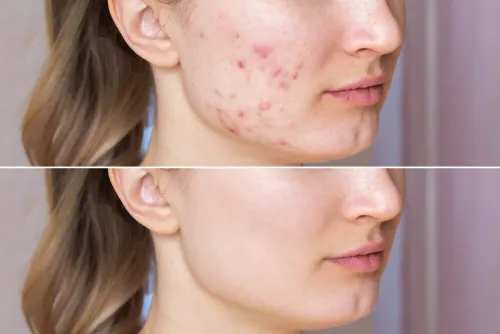
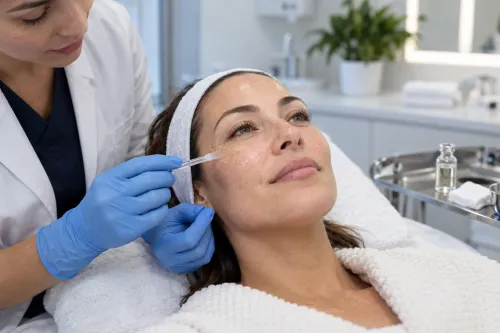
Laser technology has transformed the way pigmentation and unwanted tattoos are treated. Among the most advanced options available today is Pico Laser technology, which is widely recognised for its precision and versatility. Whether you are dealing with stubborn pigmentation, acne marks, sun damage, or an old tattoo you no longer want, choosing the right clinic is essential for achieving safe and effective results.
Before beginning Pico Laser treatment, it is helpful to understand how the technology works and what factors should influence your decision.
What Makes Pico Laser Different?
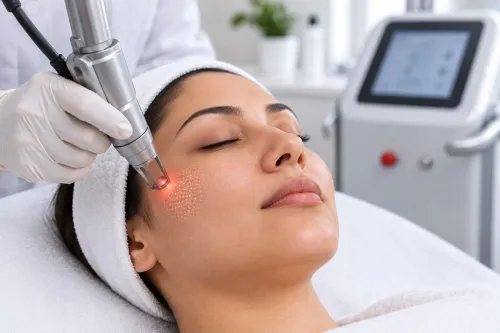
Traditional lasers deliver energy using longer pulses, whereas Pico Laser technology works with ultra-short pulses measured in picoseconds.
This rapid energy delivery helps break down pigment particles into much smaller fragments, allowing the body's natural processes to eliminate them more efficiently.
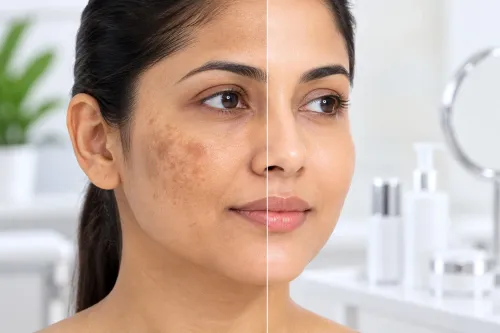
The technology is commonly used for:
- Pigmentation disorders
- Sun spots
- Freckles
- Acne pigmentation
- Melasma in selected cases
- Tattoo removal
- Skin rejuvenation
Because treatment plans vary depending on the concern being addressed, professional evaluation is essential.
Why Is Skin Assessment So Important?
Not every pigmentation concern responds to laser treatment in the same way.
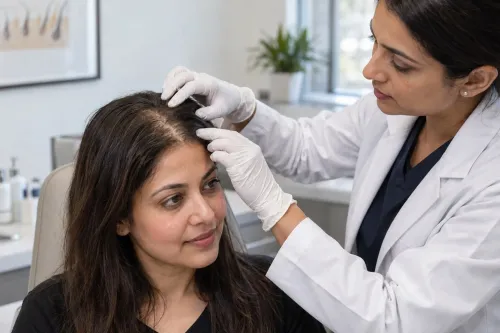
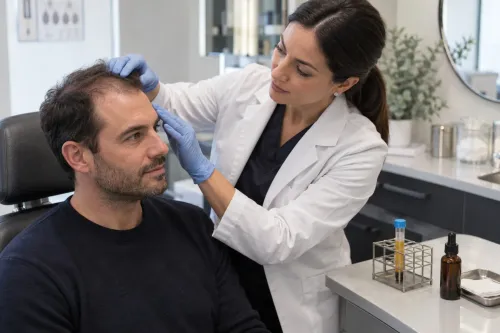
Before recommending Pico Laser, an experienced doctor should determine:
- The type of pigmentation
- Skin tone
- Medical history
- Previous skin treatments
- Sun exposure habits
- Presence of active skin infections
This assessment helps identify whether Pico Laser is the most suitable option or whether another treatment may provide better results.
Choosing the Right Clinic
Technology alone does not guarantee successful outcomes.
When selecting a provider, consider:
Medical Expertise
Look for doctors experienced in laser-based aesthetic procedures who understand how different skin types respond to treatment.
Advanced Equipment
Modern, well-maintained laser systems contribute to treatment precision and patient safety.
Individualised Treatment Plans
Pigmentation and tattoo removal require customised settings rather than identical protocols for every patient.
Honest Expectations
A reputable clinic explains that multiple sessions are often required and avoids unrealistic promises.
What Can You Expect During Treatment?
The exact procedure depends on the concern being treated.
Most sessions involve:
- Cleansing the treatment area
- Applying protective measures
- Delivering laser pulses
- Cooling the skin if required
- Providing post-treatment skincare instructions
Many patients describe the sensation as mild discomfort rather than severe pain.
Recovery After Pico Laser
Recovery is generally straightforward, although temporary redness or mild swelling may occur.
Following aftercare instructions is essential.
Patients are commonly advised to:
- Use sunscreen daily
- Avoid excessive sun exposure
- Keep the treated area moisturised
- Avoid picking or scratching the skin
- Follow the recommended skincare routine
Proper aftercare supports healing and helps optimise treatment outcomes.
Questions to Ask Before Treatment
A consultation is the ideal time to clarify expectations.
Useful questions include:
- Is Pico Laser suitable for my skin concern?
- How many sessions might I need?
- What results are realistic?
- Are there any possible side effects?
- How should I prepare before treatment?
- What precautions should I follow afterwards?
Open discussions help patients make well-informed decisions.
Finding the Right Provider
People living in Mumbai, including Juhu, Bandra, Andheri, Goregaon, Worli, Churchgate, Colaba, and nearby areas, often seek advanced laser treatments for pigmentation and tattoo removal because of increasing sun exposure and lifestyle-related skin concerns. Inshine Aesthetics evaluates every patient's skin condition before recommending Pico Laser treatment, ensuring that the procedure is based on medical suitability rather than cosmetic trends alone.
Pico Laser technology represents a significant advancement in aesthetic medicine, but successful outcomes depend on more than the machine itself. A thorough consultation, personalised treatment planning, and expert medical supervision all play a crucial role in achieving safer treatments and satisfying long-term results.
Keywords